
Visita prenatal
La visita que preparatodo el parto
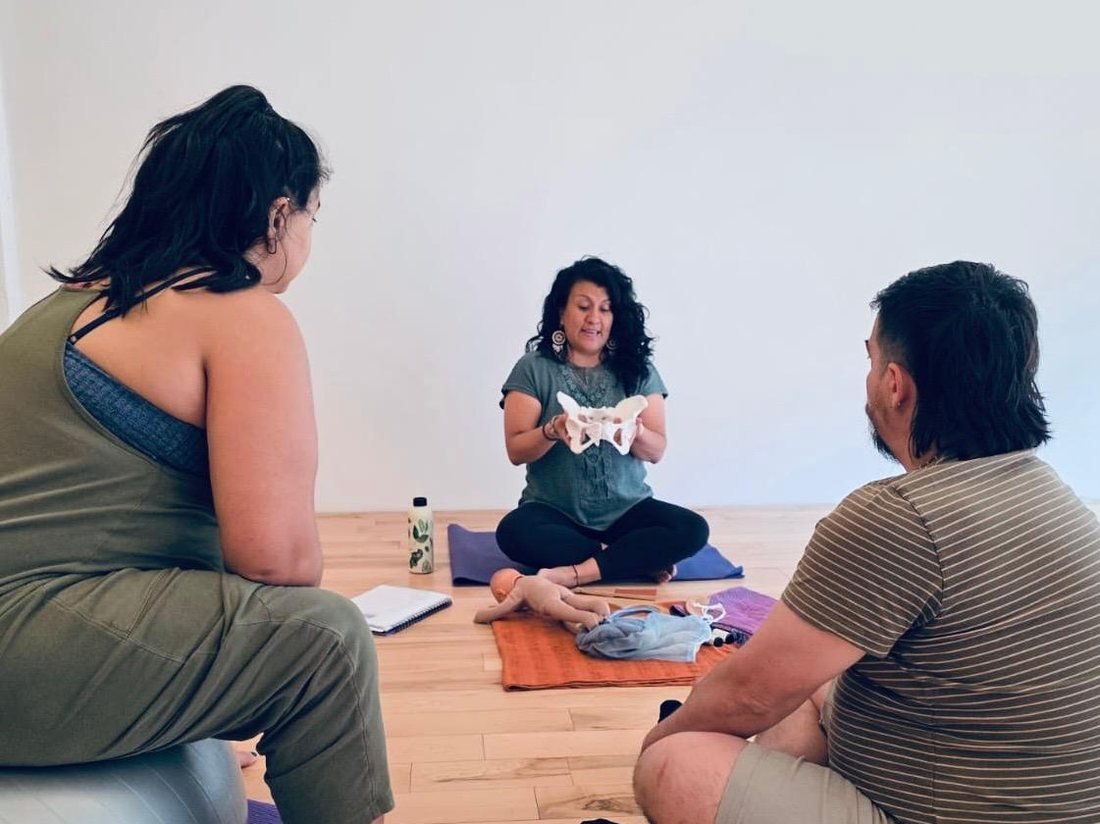
Two hours in your home, usually in the third trimester. We spend them on your birth: what you want, what worries you, and what your partner can actually do once it starts.
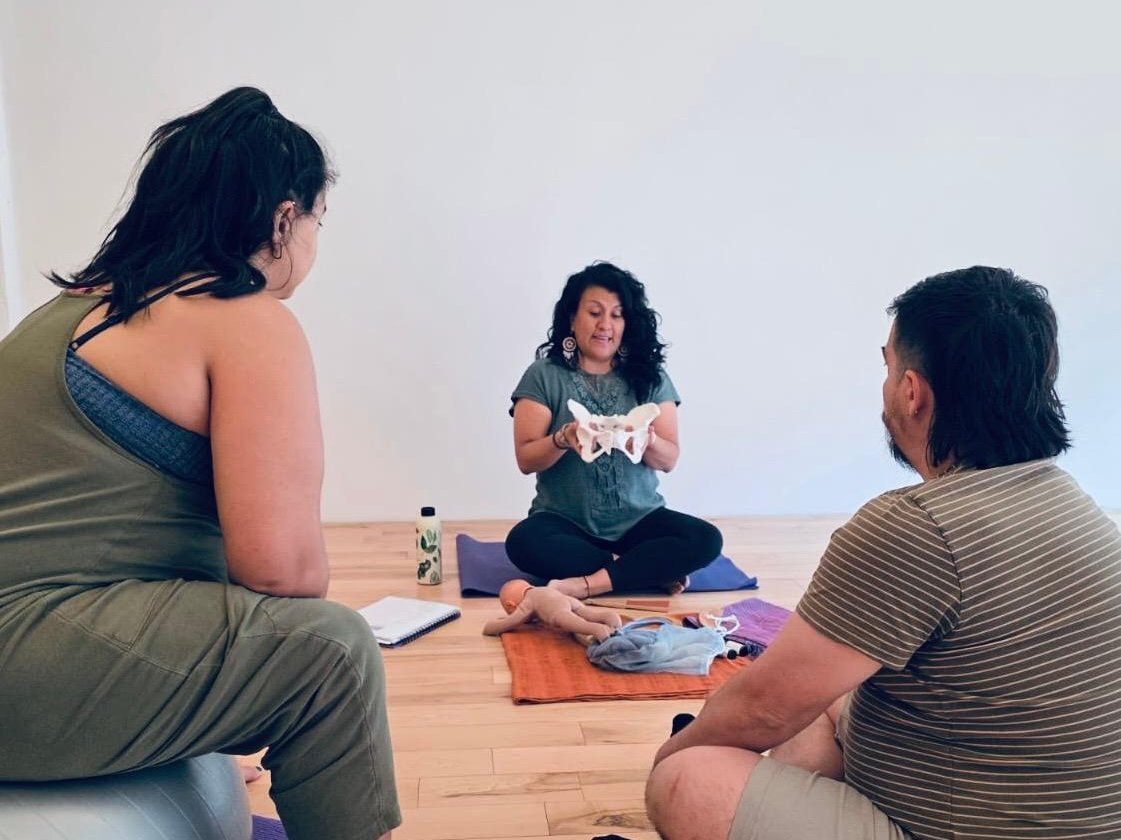
Your picture of the birth
What matters to you, what you would rather avoid, and what you want said out loud in the room. I write it down in your words, not in a template.
The decisions ahead
Induction, monitoring, pain relief, caesarean. I go through what is likely to be offered and what each choice involves, so that nothing arrives as a surprise and you are the one deciding.
Comfort that actually works
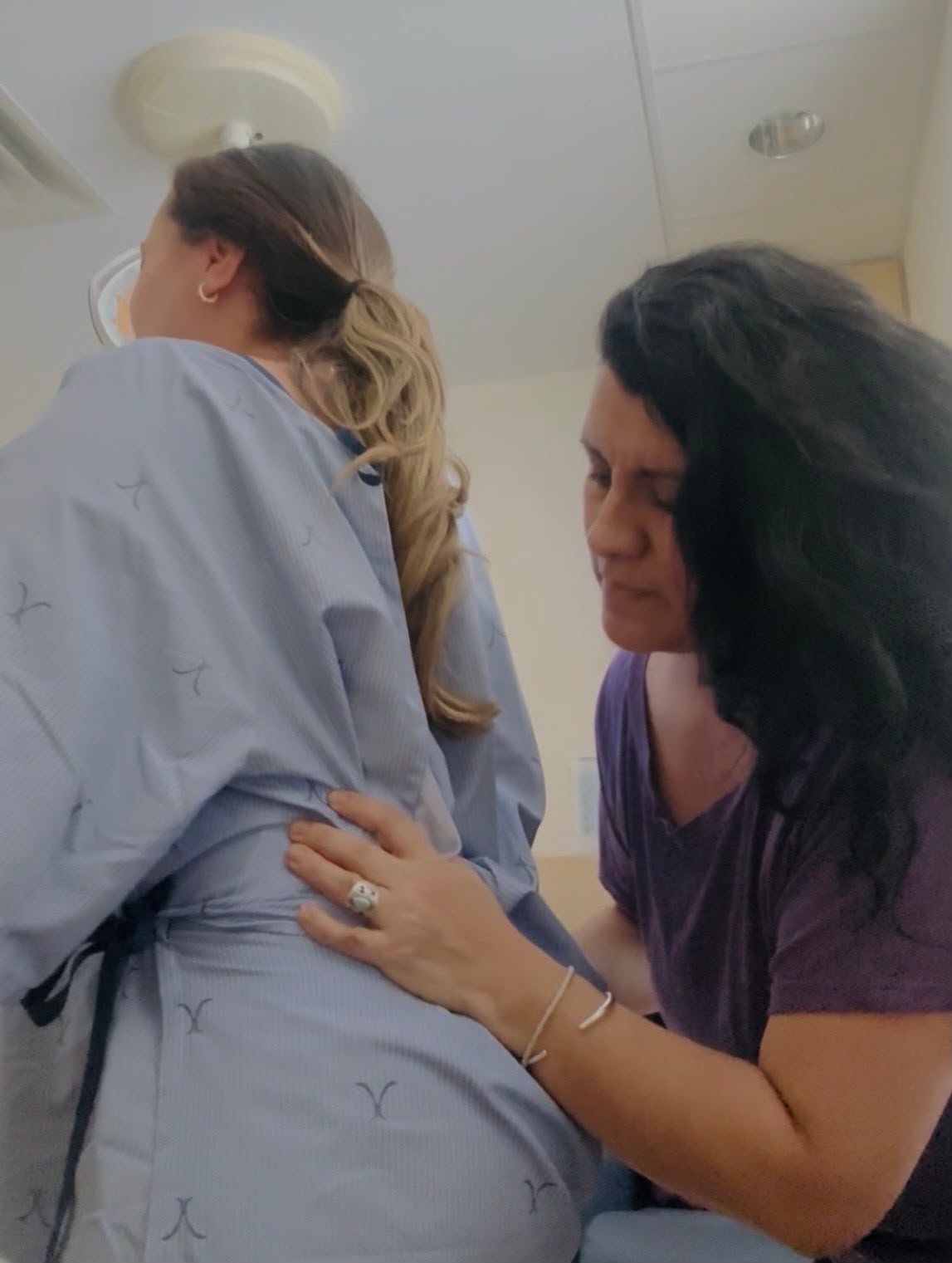
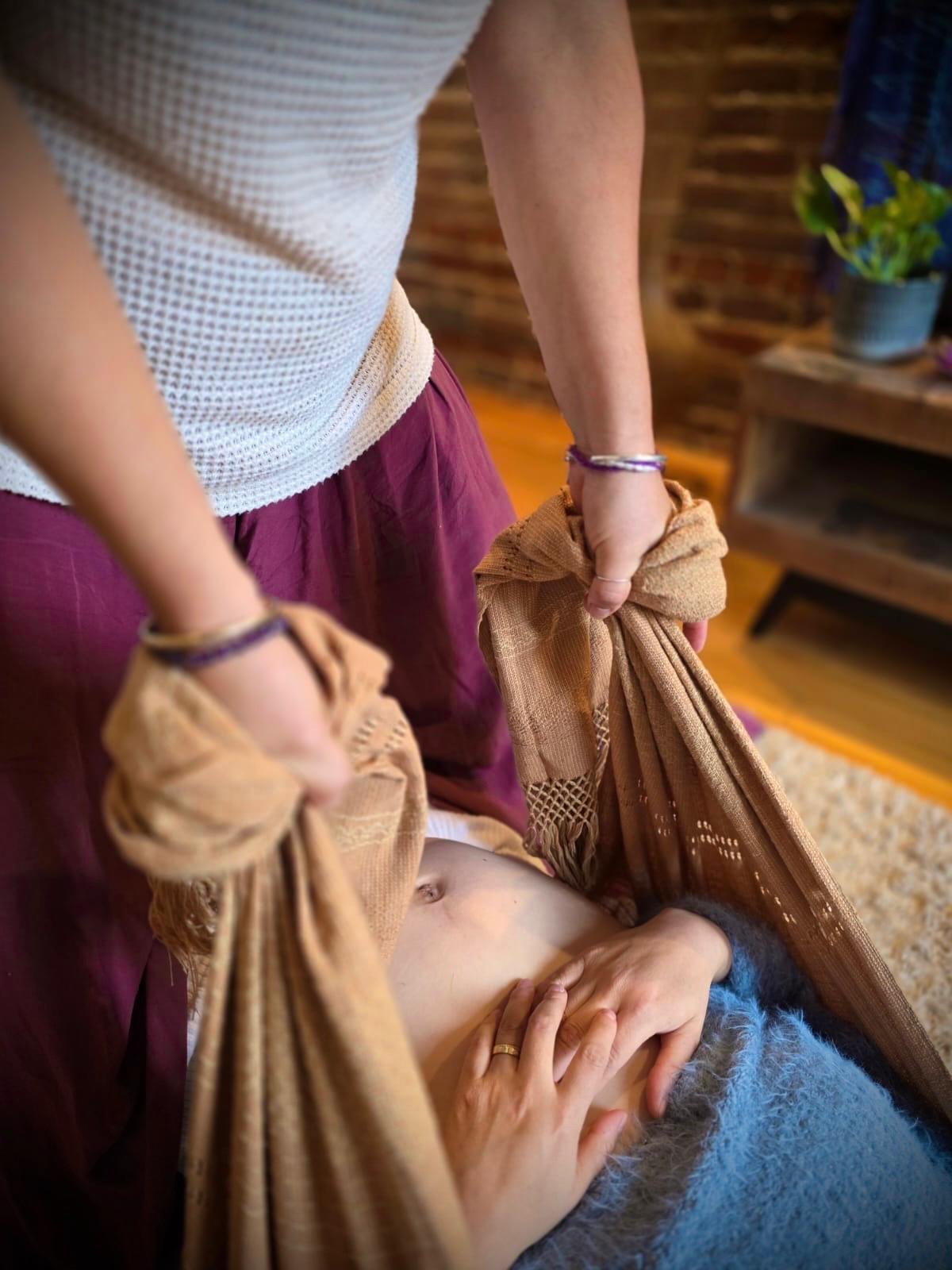
Positions, breathing, counter-pressure, movement, the ball, the shower, and the rebozo. We practise them, because a technique you have only read about does not hold up at four in the morning.
What your partner does
Where to stand, where to press, when to speak and when to stay quiet, and when to eat. Most partners want to help and are simply never told how.
The practical end
The bag, the route, who to call and in what order, and what to do when it starts in the middle of the night.
What this visit is not
It is not a medical appointment. I do not examine you, measure anything or give medical advice, and nothing we do replaces your midwife or doctor. What I add is the preparation that clinical appointments rarely have time for.
- A birth plan in your own words, not a form
- A short list your partner can follow under pressure
- My number, and no limit on how often you use it
- Two hours, in your home
- Montreal Island
- In English or in Spanish
- Included in Your Birth, Fully Supported
- Extra prenatal visits can be added
Usually in the third trimester — late enough that the birth feels real, early enough that there is still time to act on what we decide.
If you have one and they can come, yes. A good part of the visit is about what they will actually be doing, and it is much harder to relay second-hand.
That is normal, and it is most of what the visit is for. You do not need to arrive with answers.